Background & Context
San Mateo County is moving forward with the creation of a Family Justice Center, a centralized, trauma-informed space for survivors of domestic violence, elder abuse, child abuse, human trafficking, and other forms of interpersonal violence.
The FJC will bring together services and agencies under one roof, reducing the burden on survivors to navigate fragmented systems. This initiative is led by the District Attorney’s Office, which recently appointed Peggy Sherbon as the Director of the San Mateo County FJC.
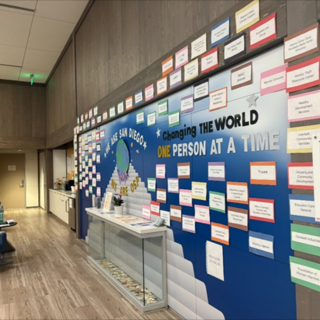
On June 3, 2025, Supervisor Lisa Gauthier joined a County cross-departmental team for a site visit to One Safe Place, San Diego County’s flagship Family Justice Center in North County. Opened in 2022, One Safe Place offers a powerful model for integrated, survivor-centered care.
One Safe Place at a Glance
- Opened: July 5, 2022
- Current size: 55,000 sq ft (expanding to 70,000 sq ft with Bridge Housing wing)
- Lead agency: San Diego County District Attorney's Office
- Client reach: Over 8,000 survivors served to date
- Population: Entire San Diego County (~3.3 million residents), including cross-border populations
- Funding: Prop 172 seed funds and DA operating budget
Client Demographics & Needs
- Primary languages: 50% Spanish-speaking; interpretation for all others
- Top requests: Restraining orders, shelter, therapy, and basic needs
- Law enforcement reporting: Only 26% of survivors report to police
- Open legal cases: Just 13% of clients have open cases
- Age trends: Increase in teen dating violence survivors (12+)
- Client reach: Over 8,000 survivors served to date
Services Offered On-Site
One Safe Place offers key services through co-location and deep partnerships. These include:
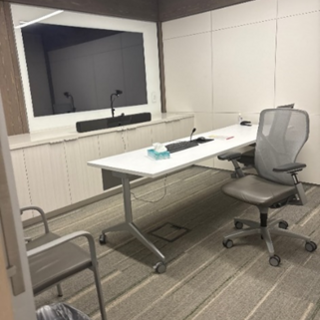
- Intake & Safety Planning
Clients are greeted by DA security, then handed over to case managers for trauma-informed intake. - Legal Services
Includes remote judge access for restraining orders, immigration, and elder law clinics, and in-house legal advocates. - Forensic & Medical Care
24/7 Sexual Assault Response Team (SART) - Mental Health
Culturally responsive therapy with zero wait list, including individual, group, grief, and LGBTQ+ services.
Youth & Family Services
- Forensic art rooms, Camp HOPE referrals for ages 7–17, and school coordination.
- Economic Support
GED and ESL classes, job fairs, digital literacy, and financial coaching. - Bridge Housing (opening soon)
36 emergency beds for survivors needing 1–3 days of safe, temporary shelter when space in shelters is unavailable.
Partnerships & Governance
- 110 formal MOUs across County departments, community-based organizations, and law enforcement.
- On-site agencies include Adult Protective Services, Child Welfare Services, and Tribal Law Enforcement (14 tribes engaged).
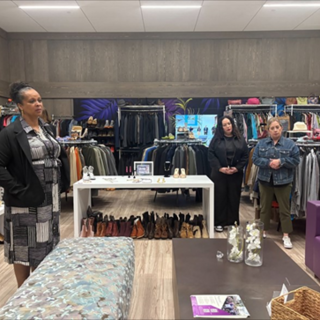
- Creative partners: San Diego Zoo donates comfort items for children; Sharia’s Closets provides new and gently used clothing, shoes, and accessories for all ages; local barbers provide free haircuts for clients.
Facility Design & Staff Model
- Modular and collapsible interiors allow for potential relocation or reconfiguration.
- Central “pyramid” art piece symbolizes survivor strength, healing, and community.
- Staff operate on four-day weeks to support wellness and retention.
- Large auditorium (seats 200) used for community training, prevention, and outreach in English and Spanish.
Funding & Cost Model
|
Item |
Amount/Source |
|
Start-up Construction |
$18 million (Prop 172 Public Safety funds) |
|
Annual Operations |
~$2 million/year |
Key Lessons for San Mateo County
- Staffing & Hours: Extended hours (7 am–9 pm) require more staff than originally estimated; plan for scale early.
- Data Protection: Partner access to survivor data must be limited via strong system permissions.
- Bridge Housing is Essential: Even short-term shelter (1–3 days) can prevent survivors from returning to danger.
- Design Matters: A home-like, non-institutional aesthetic can greatly reduce client stress and trauma.
- DA Leadership with Community Lens: DA’s role in providing structure and space is critical, but non-DA agencies should lead service delivery to ensure trust.
Next Steps for San Mateo County
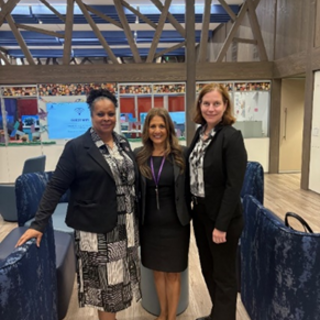
The San Mateo County Family Justice Center is still in the planning phase, but early steps are underway. Under the leadership of the District Attorney’s Office and new Director Peggy Sherbon, the County is:
- Convening cross-departmental and community stakeholders
- Conducting site analyses and service mapping
- Incorporating best practices from One Safe Place and other local models
- Prioritizing inclusive, culturally responsive design and survivor input
District 4 remains committed to ensuring that the voices of impacted communities, particularly those historically underserved, help shape this work from the ground up.
Vanessa Smith
Legislative Aide, 4th District
vsmith1@smcgov.org